
On 1 July 2026 the European Union switched on the most restrictive steel-trade regime it has ever operated. At the same time, its Carbon Border Adjustment Mechanism began putting a price on the emissions embedded in imported metal. Individually, each measure reshapes a trade flow. Together, they are accelerating a structural change that has been building for a decade: the move from blast-furnace steel toward scrap- and hydrogen-based production — and a redrawing of the map of where competitive, low-carbon iron is produced. For anyone sourcing steel products or semi-finished steel, the implications reach well beyond Europe.
A harder border, and a carbon price beside it
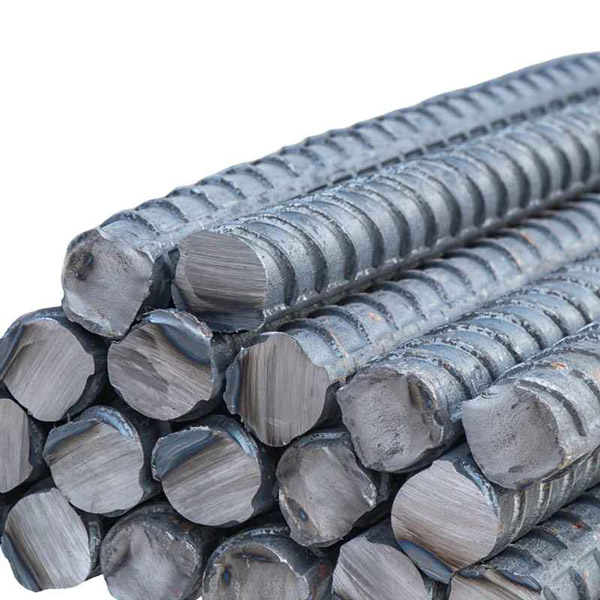
The new safeguard is not a tweak. The EU cut its annual tariff-free quota by roughly 47%, to about 18.3 million tonnes, and doubled the out-of-quota duty from 25% to 50% ad valorem, while widening the product scope from 28 to 30 categories. Rebar illustrates the squeeze: under the new allocation only around 844,500 tonnes can enter duty-free before the 50% charge applies. From 1 October 2026, importers must also evidence where steel was originally melted and poured — a "melt-and-pour" traceability rule that closes the door on simple trans-shipment.
Layered on top is CBAM, which from 2026 attaches a carbon cost to embedded emissions at the border. The combined effect is straightforward: the landed cost of high-carbon imported steel rises, and the premium for verifiably low-carbon metal becomes real money rather than a marketing line.
Why the furnace mix is the real story
Behind the trade policy sits a production reality. Around 40% of European steel is already made from scrap in electric-arc furnaces (EAFs), with a footprint near 700 kg of CO₂ per tonne — roughly half that of the integrated blast-furnace route. Yet only about 1% currently comes from the direct-reduced-iron-plus-EAF (DRI-EAF) pathway that most decarbonisation roadmaps depend on. Scaling that route runs into two hard constraints: scrap is finite and unevenly distributed, and DRI needs vast amounts of natural gas or green hydrogen plus cheap power.
That is why the transition is as much a raw-materials problem as an engineering one. Mills switching to EAF need more scrap, more DRI and more hot-briquetted iron (HBI) — and they need it with a credible carbon story. The bottleneck is shifting upstream, into metallics and the energy to make them, which is precisely the part of the chain where sourcing discipline and supplier relationships decide who keeps their lines running.
MENA's structural advantage
This is where the Middle East and North Africa enter the picture. The region is already one of the world's largest DRI producers — roughly 28.5 million tonnes in 2024 — and it holds two advantages Europe cannot easily replicate: abundant, low-cost natural gas today and outstanding solar resource for green hydrogen tomorrow. Analysts increasingly frame MENA as a natural export hub for green iron metallics, with new DRI and HBI modules expected to come online through 2026 aimed squarely at European decarbonisation demand. Because iron-making, not final steelmaking, is the export product, producers can concentrate their gas and future hydrogen where it delivers the most value per tonne shipped.
For buyers in the Gulf and wider region, the message is that the metallics corridor between MENA and the decarbonising economies is becoming a genuine market, not a forecast. Reliable access to certified DRI, HBI, billet and finished long products — with the documentation the new rules demand — is turning into a competitive edge. It also raises the value of adjacent capabilities: quality assurance and mill certification to satisfy melt-and-pour and CBAM reporting, and the supply-chain and logistics muscle to move heavy cargo on schedule.
What buyers should do now
| Pressure point | Practical response | Where we help |
|---|---|---|
| Quota & 50% duty risk | Diversify origin and lock forward cover early in each quarterly window | Global Sourcing |
| Melt-and-pour evidence | Require full mill test certificates and traceable origin up front | Quality Assurance |
| Carbon cost (CBAM) | Prefer lower-intensity EAF/DRI grades where specifications allow | Steel Products |
| Metallics tightness | Secure DRI/HBI and billet relationships ahead of demand | Semi-Finished Steel |
| Delivery reliability | Plan heavy-cargo logistics against fixed project timelines | Logistics |
The through-line is that carbon intensity, traceability and origin are now commercial variables sitting alongside price and lead time. Procurement teams that treat them as such — and that build supply relationships reaching back to the furnace — will absorb the new regime with far less disruption than those still sourcing on headline price alone. These same forces ripple into non-ferrous and industrial commodity markets, where energy cost and carbon accounting are climbing the agenda too.
Working with Arian Holding
Arian Holding sits on the sourcing side of exactly this shift. Our trade desk structures compliant, multi-grade steel supply — finished long and flat products, billet, DRI and HBI — backed by global sourcing, independent quality assurance and the logistics to deliver on programme. As Europe's rules tighten and MENA's green-iron capacity scales, we help buyers turn a moving regulatory picture into secure, documented supply. Request a quote and our team will map current options for your specifications.
Sources: IndexBox and Council of the EU (steel safeguard, quotas and 50% duty); Trade Compliance Resource Hub (melt-and-pour, CBAM); Fastmarkets (EAF/DRI share and CO₂ footprint); IEEFA (MENA DRI output and green-iron export potential). Figures are as reported by these publications around July 2026 and are provided for general information, not as trading or investment advice.